
Every homeowner eventually faces the itch to renovate. Whether it is a kitchen that feels trapped in a bygone decade, a drafty living room, or a basement that flashes warning signs every time it rains, the urge to improve our living spaces is universal. However, there is a vast gulf between simply spending money on home improvements and executing a strategic plan that maximizes your home’s value. Too often, homeowners treat remodeling as a series of impulsive, disconnected projects, only to discover later that they overspent on cosmetic fixes while leaving costly, structural liabilities unaddressed.
To truly build equity and enhance your daily quality of life, you must approach your property with the mindset of an investor. A successful renovation blueprint balances immediate lifestyle upgrades with long-term financial return on investment. It requires analyzing which projects yield the highest resale value, which hidden systems protect your asset from catastrophic failure, and how to sequence your projects so that one upgrade does not accidentally ruin another. This comprehensive guide will walk you through the essential phases of a high-value home upgrade plan, ensuring every dollar you invest works twice as hard for your family’s comfort and your future net worth.
Focus on Modernizing High-Traffic Zones

The cooking and dining area is universally acknowledged as the center of gravity for modern households. To get the highest return on investment, focus your resources on midrange upgrades that deliver major visual and functional impacts rather than a complete footprint overhaul.
- Preserve the Layout: Avoid moving major gas, water, or waste lines if you can avoid it. Keeping your sinks, stoves, and dishwashers in their original locations can save you thousands of dollars in rough-in labor costs.
- Upgrade Surfaces Thoughtfully: Swap out scratched laminate for durable quartz or granite countertops. Opt for timeless neutrals that appeal to a broad demographic.
- Refresh Instead of Replace: If your cabinet boxes are structurally sound and made of solid hardwood, consider refacing the doors or painting them instead of ripping them out entirely.
- Install Layered Task Lighting: Place under-cabinet LED strips and pendant lights over the island to eliminate shadows on prep surfaces and create an inviting ambiance.
- Incorporate Smart Storage Solutions: Maximize existing cabinet space with pull-out trash cans, deep pot drawers, and built-in lazy Susans to elevate daily organization.
When planning these updates, consulting professionals who specialize in kitchen remodeling ensures that your new layout respects proper clearance zones, workflow triangles, and local building codes. They can help you source durable materials that resist daily wear and tear, ensuring your investment looks pristine for a decade or more.
Create a Spa-Like Sanctuary on a Budget
Bathrooms are the second most critical area for maximizing property value. Buyers look for cleanliness, abundant lighting, and a touch of luxury that offers a brief escape from daily stresses.
- Maximize Vertical Storage: Install recessed medicine cabinets, floating shelves, or linen towers to keep small spaces organized and feeling larger than they are.
- Prioritize the Shower Experience: Replacing an outdated, yellowing acrylic tub with a modern walk-in tile shower with a frameless glass door instantly elevates the room’s aesthetic.
- Focus on Efficiency: Install low-flow toilets and aerated faucets. These eco-friendly choices lower monthly utility bills and act as excellent selling points for modern, eco-conscious buyers.
- Upgrade the Ventilation System: Install a high-CFM, ultra-quiet exhaust fan to control moisture levels effectively, preventing paint peeling and mold growth.
- Apply Fresh, Moisture-Resistant Paint: Utilize a specialized anti-microbial paint in a serene, neutral hue to instantly brighten the space and resist humidity.
Because water is a home’s greatest enemy, working with experienced bathroom remodelers protects your budget from hidden mold or rot behind old drywall. These specialists understand how to properly waterproof subfloors and shower pans, ensuring that your cosmetic upgrade does not hide a structural disaster.
Secure the Shield Overhead
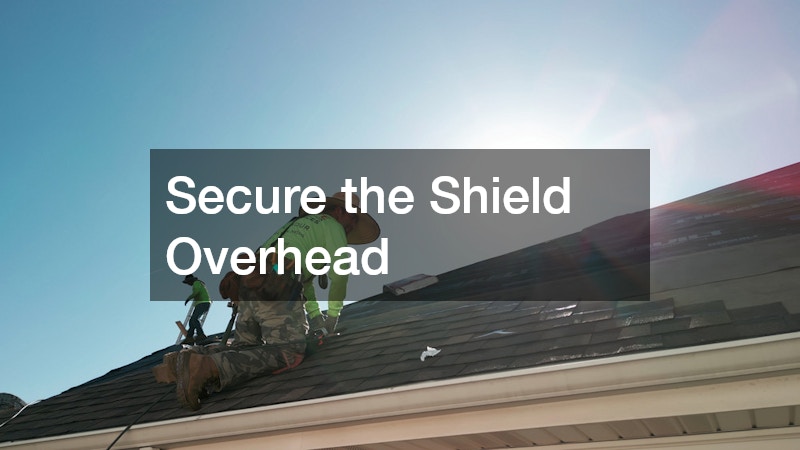
Your roof is your property’s primary defense against the elements. A aging, failing roof not only threatens your ceilings and insulation but also dramatically decreases your home’s curb appeal and marketability.
- Track the Lifespan: Asphalt shingle roofs generally last between fifteen and twenty-five years. If your roof is nearing the end of its life cycle, replacing it before active leaks develop prevents expensive interior drywall repairs.
- Invest in Advanced Materials: Consider architectural shingles or metal roofing options. While they carry a higher upfront cost, their extended lifespan and superior wind resistance can significantly reduce your homeowners insurance premiums.
- Optimize Roof Ventilation: Ensure your ridge vents and soffits work together seamlessly. Proper airflow prevents heat buildup in the summer and ice damming in the winter, extending the life of the entire structure.
- Inspect Flashings and Boots: Check the protective metal seals around chimneys, skylights, and plumbing vents annually, as these are the most common source of hidden leaks.
- Keep Gutters Completely Clear: Install gutter guards to prevent leaf debris from causing water to back up under the bottom edge of your shingles during heavy downpours.
Partnering with a licensed roofing contractor ensures that the entire roofing system, including the underlayment, flashing, and ice-and-water shields, is installed to manufacturer specifications. This guarantees that your warranty remains valid, providing an attractive, transferable asset when it comes time to sell.
Stabilize the Ground Beneath You
Just as the roof protects from above, your foundation secures everything from below. Soil shifts, poor drainage, and seasonal changes can cause a house to settle unevenly, leading to severe structural complications.
- Identify Early Warning Signs: Walk through your home and look for stuck doors, windows that refuse to open smoothly, cracks in exterior brickwork, or bowing walls in the basement.
- Manage Perimeter Water: Ensure that your gutters extend at least six feet away from your home’s exterior walls and that the soil slopes away from the foundation to prevent water pooling.
- Seal Concrete Basements: Address hairline cracks early with epoxy injections to prevent moisture intrusion, radon gas, and pest infestations.
- Check the Sump Pump Regularly: Test your sump pump before the rainy season and install a battery-powered backup system to ensure continuous operation during power outages.
- Monitor Soil Tree Roots: Avoid planting large, thirsty trees too close to the home, as their root systems can disrupt foundation walls and dry out subterranean soil unevenly.
If you notice significant shifting or wide horizontal cracks in your basement walls, it is imperative to contact professional foundation repair services immediately. Correcting structural issues early prevents minor settling from turning into a catastrophic failure, preserving your home’s equity and ensuring it passes future structural inspections without a hitch.
Future-Proof Your Electrical Grid
An outdated electrical panel is more than just an inconvenience that trips breakers when you use a microwave and a hair dryer simultaneously; it is a major safety hazard.
- Upgrade Your Total Amperage: Many older homes operate on 60-amp or 100-amp service, which is insufficient for modern needs. Upgrading to a 200-amp panel provides the electrical headroom required for contemporary life.
- Prepare for Green Technology: Install dedicated circuits for electric vehicle charging stations, solar panel integrations, or smart home automation systems to appeal to tech-forward buyers.
- Enhance Safety Overhaul: Replace standard outlets in kitchens, bathrooms, and outdoor areas with Ground Fault Circuit Interrupters (GFCIs) to protect your family from electrical shocks.
- Label the Breaker Box Accurately: Clearly map and document every circuit in your electrical panel to save time during future maintenance or emergency situations.
- Incorporate Surge Protection: Install a whole-house surge protector at the main panel to safeguard expensive modern electronics and smart appliances from power spikes.
Because electrical work carries severe safety risks, these upgrades should always be completed by professional electrician services. A licensed technician ensures that your panel upgrades, wiring, and grounding systems fully comply with the National Electrical Code, providing peace of mind and clean paperwork for future property disclosures.
Prevent Costly Water Disasters Down the Line

Water damage is one of the leading causes of homeowners insurance claims. Aging plumbing lines degrade slowly from the inside out, often leaking silently for months before detection.
- Replace Vulnerable Pipes: If your home still contains original galvanized steel or polybutylene piping, prioritize replacing them with cross-linked polyethylene (PEX) or copper. PEX is flexible, resistant to scale buildup, and less prone to bursting in freezing temperatures.
- Integrate Smart Leak Detectors: Install smart shutoff valves on your main water line that monitor flow rates and automatically shut off the water supply if an unusual leak pattern is detected.
- Maintain the Water Heater: Flush your water heater annually to remove sediment buildup. If your tank is over a decade old, consider upgrading to a tankless, on-demand water heater to save space and energy.
- Check Water Pressure Regularly: Use a simple pressure gauge to ensure your home stays under 80 PSI, as high pressure destroys appliance valves and creates pinhole leaks.
- Insulate Exposed Water Lines: Wrap pipes located in unheated crawlspaces or garages with foam insulation sleeves to prevent freezing during extreme winter cold snaps.
Executing these infrastructure overhauls requires the precision of an experienced plumbing contractor. Professional installation guarantees that water pressure remains consistent throughout the home, joints are sealed perfectly, and new piping is laid out logically to maximize usable square footage in basements and crawlspaces.
Upgrade to High-Efficiency Climate Control
Heating and cooling account for more than half of the energy use in a typical residential property. Running an outdated, inefficient climate system is akin to throwing money out the window every single month.
- Check the System Efficiency: Look for units with high Seasonal Energy Efficiency Ratio (SEER) ratings for cooling and high Annual Fuel Utilization Efficiency (AFUE) percentages for heating.
- Zone Your Home: Install smart thermostats and motorized dampers to create a zoned climate system, allowing you to heat or cool only the rooms that are actively in use.
- Take Advantage of Incentives: Research local, state, and federal tax credits or utility rebates that reward homeowners for upgrading to eco-friendly heat pumps or energy-efficient climate systems.
- Schedule Semiannual Tune-Ups: Arrange for professional mechanical inspections before the peak of summer and winter to catch minor part wear before it causes a system breakdown.
- Seal Your Home’s Attic Insulation: Match your mechanical system upgrade with proper attic insulation to prevent your newly conditioned air from leaking out through the roof.
When your old heating unit begins to fail, coordinating a comprehensive furnace replacement is an ideal opportunity to audit your home’s overall heating capacity. Certified HVAC companies can run precise manual calculations to ensure your new equipment is perfectly sized for your home’s square footage, insulation levels, and window placements, avoiding the premature wear that comes with oversized or undersized units.
Restore System Efficiency and Breathability
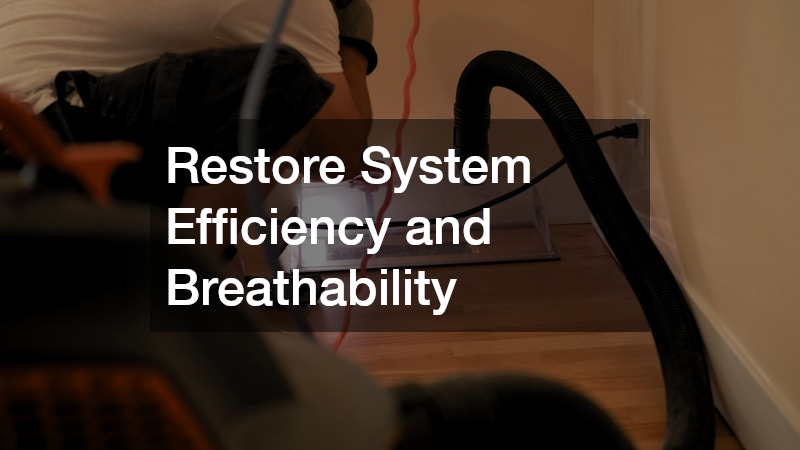
Once you have installed efficient climate machinery, you must maintain the pathways that distribute that conditioned air throughout your home, alongside the drains that carry waste out.
- Clean the Distribution Network: Over the years, dust, pet dander, drywall grit from past renovations, and mold spores accumulate inside your air vents, forcing your climate system to work harder to push air through.
- Seal Air Leaks: Inspect the joints in exposed ductwork in your basement or attic, and seal them with mastic or foil tape to prevent conditioned air from escaping into unconditioned spaces.
- Maintain Free-Flowing Drains: Avoid chemical drain cleaners that eat away at your pipes. Instead, use enzymatic cleaners or mechanical snakes to clear hair and grease clogs before they cause a backup.
- Replace Filters Monthly: Check and swap out your HVAC air filters regularly to protect internal fan components and maintain clear airflow through the heat exchanger.
- Install a Whole-Home Dehumidifier: Keep indoor relative humidity levels between thirty and fifty percent to eliminate dust mites and prevent structural wood rot.
To achieve maximum system efficiency, scheduling a professional duct cleaning removes deeply embedded debris that standard vacuum attachments cannot reach. Pairing this seasonal air-side maintenance with a thorough drain cleaning ensures that your home’s internal circulatory system—both air and liquid—operates at peak performance, reducing mechanical strain and protecting your family’s respiratory health.
Maximizing the value of your home upgrade plan is not about chasing temporary design trends or spending money haphazardly on the most visible cosmetic fixes. Instead, true equity is built by taking a holistic, balanced approach to property management. By systematically dividing your budget between high-yield aesthetic renovations, essential exterior protections, invisible structural infrastructure, and high-efficiency climate systems, you protect your asset from depreciation while elevating your everyday living standard.
As you prepare to take the next steps on your home improvement journey, remember that the order of operations matters just as much as the quality of the work. Build a realistic three-to-five-year plan, establish a healthy financial contingency fund for unexpected issues, and invest time in thoroughly vetting your trade professionals. By making informed, strategic decisions today, you ensure that your home remains a safe sanctuary, a source of personal pride, and a powerful financial engine for years to come.