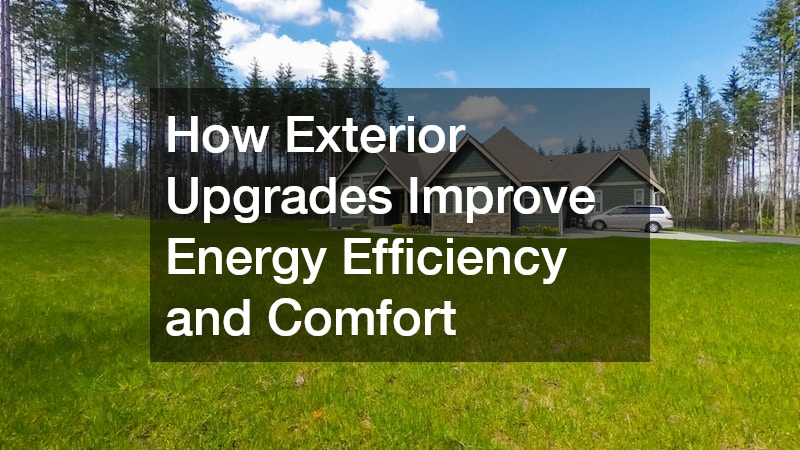
A home’s exterior plays a much larger role than many people realize, functioning as the first line of defense against various environmental elements such as heat, cold, wind, and moisture. When the integrity of these exterior systems begins to wear down, the energy loss can significantly increase, leading to decreased indoor comfort. Homeowners may notice drafty rooms, uneven temperatures throughout the house, and rising utility bills, all of which often stem from issues outside the home rather than problems within.
By investing in improvements to exterior materials and effectively sealing any weak points, a homeowner can alleviate the strain on their heating and cooling systems. This proactive approach not only results in a more stable indoor environment but also translates to lower monthly utility costs. Many clients highlight that these upgrades extend beyond mere aesthetics; they directly influence the overall comfort and livability of a home on a daily basis.
Despite recognizing the importance of these improvements, many homeowners tend to delay taking action because the problems are not always immediately apparent. Small cracks in the siding, loose materials on the roof, or aging components such as windows and doors can quietly undermine a home’s efficiency over time without obvious symptoms. For instance, a tiny gap in the sealant around a window might seem insignificant, yet it can allow substantial drafts to enter, leading to increased energy consumption as the HVAC system works harder to maintain a consistent temperature.
Addressing these concerns early can make a remarkable difference, especially during peak summer and winter months when energy use is at its highest. Regular inspections and maintenance can help identify and rectify these minor issues before they escalate into major problems. Furthermore, homeowners can benefit from exploring energy-efficient materials and solutions, such as insulated siding, energy-efficient windows, and weather stripping, to enhance their home’s exterior resilience.
Ultimately, not only do these exterior improvements increase energy efficiency, but they also contribute to the home’s resale value and curb appeal, making them a wise investment in both the short and long term. By prioritizing exterior maintenance and upgrades, homeowners can create a more comfortable and sustainable living environment that stands the test of time.
The Link Between Exterior Condition and Energy Loss
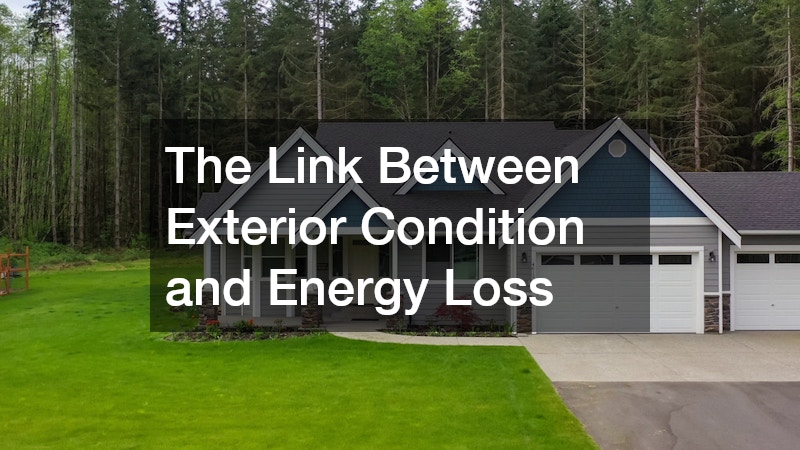
When the outer structure of a home begins to weaken, it can significantly impact indoor comfort by allowing energy to escape through even the smallest gaps and inadequately insulated surfaces. Over time, these seemingly minor issues can accumulate, leading to noticeable discomfort and increased energy bills.
Several common culprits contribute to energy loss in homes, including:
- Cracked or Warped Siding: As siding materials age, they can become cracked, warped, or otherwise damaged. This deterioration creates pathways for outside air to infiltrate the home, disrupting temperature regulation.
- Missing or Damaged Roofing Materials: A compromised roof can lead to substantial air leaks. Missing shingles or damaged flashing can allow the elements to affect the impermeability of the roof, further enabling energy loss.
- Home’s Around Windows and Doors: Poorly sealed or improperly installed windows and doors often have gaps that allow drafts to enter. This not only disrupts the interior climate but also places additional strain on heating and cooling systems.
- Poor Attic Ventilation: Insufficient ventilation in the attic can result in heat buildup during the summer months, leading to increased reliance on air conditioning systems. In winter, inadequate ventilation can allow warm air to escape, making it harder to maintain a comfortable temperature throughout the home.
- Moisture Intrusion Weakening Insulation: Water intrusion from leaky roofs or compromised walls can degrade insulation materials, reducing their effectiveness. When insulation loses its thermal resistance due to moisture, it can significantly worsen energy efficiency.
Professionals, such as siding contractors and roofers, frequently encounter older building materials that no longer function as intended due to age and wear. As these materials degrade, they allow outside air to move freely into the home, creating an inconsistent indoor environment.
Additionally, working with experienced roofers can help identify hidden ventilation issues that may trap heat during the summer months and allow warmth to escape during winter. Early identification and remediation of these ventilation problems can prevent long-term energy inefficiencies and result in substantial cost savings.
Another contributing factor to energy loss is outdated installation methods. Many older homes were constructed using materials that do not meet modern insulating standards. Even if these materials appear visually intact, they often lack the effective insulating properties that contemporary systems offer, leading to decreased energy efficiency.
Homeowners may also observe uneven temperatures between different rooms, a clear indicator that energy is escaping through specific sections of the exterior. By addressing these weak points, homeowners can improve airflow balance throughout the house, leading to a more consistent and comfortable indoor environment. Implementing targeted renovations and upgrades can not only enhance comfort but also contribute to long-term energy savings and sustainability.
Upgrading Siding for Better Insulation
Siding does more than protect against the weather. It acts as a thermal layer that helps regulate indoor temperatures. When upgraded correctly, it can reduce heat transfer and improve comfort across all seasons.
Modern siding options offer:
- Improved insulation backing
- Better resistance to moisture and warping
- Tighter installation methods that reduce air leaks
- Longer lifespan with less maintenance
Many homeowners turn to local remodeling contractors to evaluate which siding materials best match their climate and home structure. The right choice can stabilize indoor temperatures and reduce the workload on HVAC systems.
In cases where damage is already present, a local repair contractor can address specific problem areas before they spread. This targeted approach often restores efficiency without requiring a full replacement.
Insulated vinyl siding, fiber cement, and engineered wood are common choices that provide improved performance. Each material offers different benefits depending on the home’s design and location. Selecting the right option can make a measurable difference in both comfort and energy use.
Proper installation also matters. Even high-quality siding will not perform well if gaps are left during installation. Tight seams and correct layering help block airflow and moisture, which keeps indoor conditions stable.
Roofing Improvements That Regulate Indoor Temperature
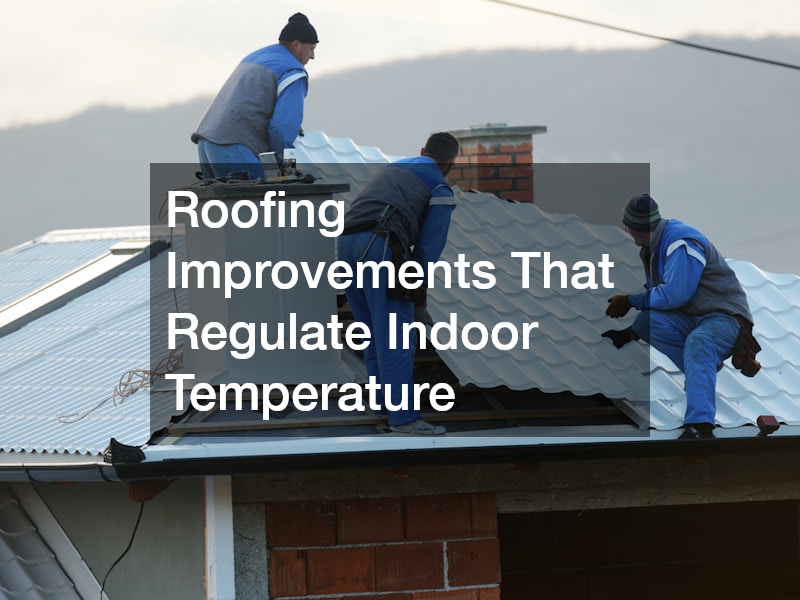
The roof absorbs a significant amount of heat throughout the day. Without proper materials and ventilation, that heat transfers into the home, making cooling systems work harder.
Upgrading roofing systems can:
- Reflect more sunlight with modern materials
- Improve ventilation to release trapped heat
- Prevent air leaks through damaged sections
- Support better insulation in attic spaces
A reliable roofing company can assess whether a roof is contributing to energy loss. In many cases, replacing outdated materials or improving ventilation creates immediate improvements in comfort.
Homeowners also benefit from working with a local residential roofer who understands regional weather patterns. This helps ensure the roofing system performs well year-round.
Cool roofing materials are becoming more popular because they reflect sunlight instead of absorbing it. This simple change can reduce indoor temperatures during hot months. Over time, it also lowers energy costs by reducing reliance on air conditioning.
Roof color and material type both influence performance. Lighter colors tend to reflect heat, while darker materials absorb it. Choosing the right combination helps balance energy efficiency with overall appearance.
Sealing Air Leaks Around the Exterior
Small gaps may seem minor, but they have a major impact on energy efficiency. Air leaks allow conditioned air to escape and outside air to enter, making it harder to maintain a consistent indoor temperature.
Areas most prone to leaks include:
- Window and door frames
- Roof edges and flashing points
- Utility entry points
- Foundation joints
Addressing these issues often involves a combination of sealing, insulation, and minor repairs. Local roofing services can help identify leaks near the roofline, where problems are often harder to spot.
When damage is more severe, a local roof repair service may be needed to correct structural issues contributing to air loss. Fixing these areas helps maintain steady indoor temperatures and reduces energy waste.
Weatherstripping and caulking are simple solutions that provide immediate improvements. These materials seal gaps and prevent unwanted airflow. While they are relatively small upgrades, they can have a noticeable impact on comfort.
Regular inspections are also important. Over time, seals can break down due to weather exposure. Reapplying materials when needed helps maintain efficiency and prevents small issues from becoming larger problems.
The Role of Ventilation in Comfort
Proper ventilation is often overlooked, yet it plays a key role in both energy efficiency and indoor comfort. Without it, heat and moisture can build up, leading to uneven temperatures and potential damage.
Effective ventilation systems help:
- Release excess heat during warmer months
- Prevent moisture buildup that affects insulation
- Improve air circulation throughout the home
- Extend the lifespan of roofing materials
In urgent situations, such as storm damage affecting airflow, a 24 hour roofer can step in to address immediate concerns. Quick action helps prevent further complications that could impact both comfort and efficiency.
Specialized materials installed by brava installers can also improve airflow and durability, especially in areas prone to extreme weather conditions. Ridge vents, soffit vents, and attic fans all contribute to proper airflow. When these systems work together, they regulate temperature and moisture levels effectively. Poor ventilation can lead to mold growth and insulation damage. These issues not only affect comfort but can also create health concerns. Maintaining proper airflow protects both the home and the people living inside it.
How Exterior Upgrades Reduce HVAC Strain
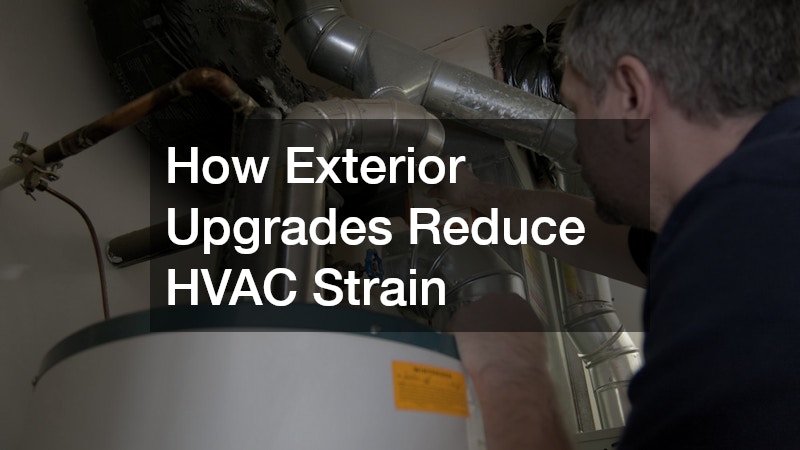
Heating and cooling systems work hardest when a home cannot retain conditioned air. Exterior upgrades reduce that strain by improving insulation and sealing gaps.
Benefits include:
- Lower monthly energy bills
- Reduced wear and tear on HVAC systems
- More consistent indoor temperatures
- Fewer hot or cold spots throughout the home
When the exterior functions properly, the HVAC system does not need to run as often. This not only saves money but also extends the life of the equipment.
Over time, reduced strain leads to fewer repairs and longer system lifespan. This adds another layer of savings that homeowners may not initially consider.
Smart thermostats can further enhance these benefits by optimizing heating and cooling schedules. When combined with efficient exterior systems, they help maintain comfort with minimal energy use.
Improving Comfort in Every Season
Exterior improvements are noticeable changes in how a home feels throughout the year. Instead of constant adjustments to the thermostat, indoor conditions remain stable.
Seasonal benefits include:
Winter:
- Less heat loss through walls and roof
- Reduced drafts near windows and doors
- Warmer, more consistent indoor temperatures
Summer:
- Lower heat absorption from the roof
- Improved airflow and ventilation
- Cooler indoor spaces without overworking the AC
These changes help create a living environment that feels comfortable without constant intervention.
Homeowners often notice quieter indoor spaces after exterior upgrades. Improved materials reduce outside noise, creating a more peaceful environment.
Humidity control also improves. Proper insulation and ventilation help maintain balanced moisture levels, which makes indoor air feel more comfortable year-round.
Long-Term Value of Exterior Investments
Upgrading exterior components does more than improve comfort—it also adds long-term value to the home. Buyers often look for properties with updated roofing, siding, and insulation because they understand the cost savings involved.
Key value benefits include:
- Increased property appeal
- Lower maintenance requirements
- Better protection against weather damage
- Higher resale potential
Homes with efficient exteriors stand out in the market because they offer both comfort and cost savings.
Energy-efficient upgrades may also qualify for rebates or incentives, depending on location. These programs help offset initial costs and make improvements more accessible.
Over time, the savings from reduced energy bills can balance out the investment. This makes exterior upgrades a practical decision for both short-term comfort and long-term financial benefit.
Choosing the Right Professionals for the Job
Selecting the right team makes a significant difference in the outcome of any exterior upgrade. Skilled professionals can identify issues that are not immediately visible and recommend solutions that align with the home’s needs.
When evaluating contractors, homeowners should look for:
- Proven experience with exterior systems
- Knowledge of local climate challenges
- Clear communication and detailed assessments
- Strong reputation within the community
Working with the right experts helps avoid unnecessary repairs and ensures that upgrades deliver lasting results.
It is also helpful to request detailed estimates and timelines before starting a project. This provides clarity and helps homeowners plan accordingly.
Asking about warranties and material options can further improve confidence in the decision. A well-informed approach leads to better outcomes and fewer surprises during the project.
The Impact of Exterior Upgrades on Home Performance
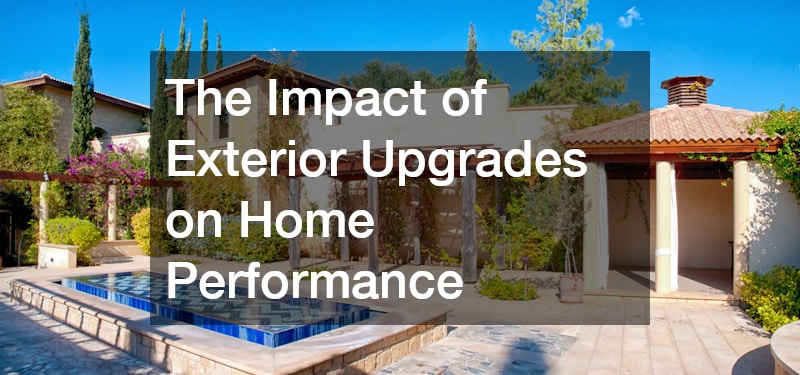
Exterior upgrades directly influence how a home performs and feels. By strengthening siding, improving roofing systems, and sealing air leaks, homeowners can create a more comfortable living space while lowering energy costs. Additionally, enhancing curb appeal through landscaping and exterior paint can significantly boost property value.
The client often emphasizes that these improvements are practical investments. They protect the home, stabilize indoor temperatures, and reduce long-term expenses. Better insulation and energy-efficient windows further contribute to a homeowner’s comfort and savings. When the exterior works as it should, everything inside becomes easier to manage, leading to a more enjoyable living experience.