
Living in a comfortable home requires more than choosing the right furniture or setting a pleasant temperature on the thermostat. Behind the drywall, under the floorboards, and high up on the roofline, a complex network of structural elements and mechanical systems works continuously to shield you from the elements, manage waste, regulate climate, and deliver power. When these components function in harmony, a home feels quiet, secure, and effortless. However, waiting for a system to break down before giving it attention is one of the most expensive and stressful approaches to homeownership.
A reactive mindset turns minor wear and tear into urgent middle-of-the-night emergencies. A small leak in an attic can slowly decay timber framing for months before dripping through a bedroom ceiling, just as a neglected electrical connection can silently degrade until it trips main breakers or creates a safety hazard. Beyond the sudden panic, emergency repairs almost always carry high labor premiums and limited options. Taking a proactive approach transforms home upkeep from an unpredictable financial burden into a manageable, routine investment. By understanding how your home operates as an interconnected ecosystem, you can preserve its structural integrity, lower your monthly utility costs, and protect your long-term equity.
Inspect Overhead Coverings and Seal Drafts Before Seasonal Weather Shifts
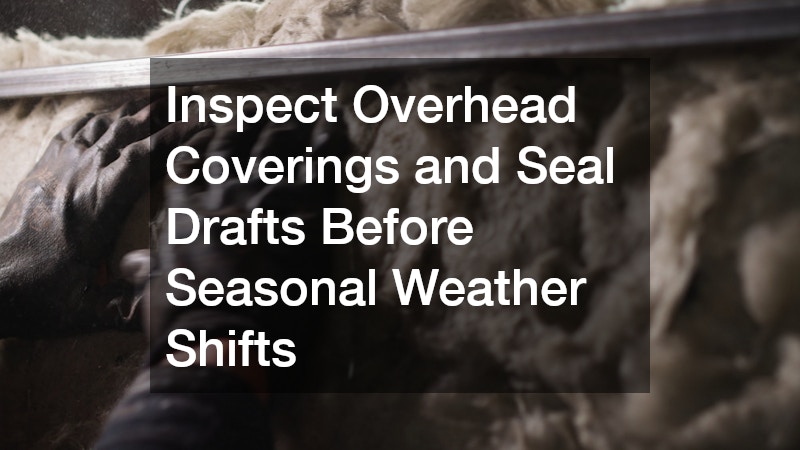
The exterior envelope of your home serves as its primary shield against environmental damage. Rain, wind, freezing temperatures, and intense solar radiation constantly test the integrity of your building’s outer shell. Protecting this boundary requires direct focus on the roof structure and the insulation envelope, as a compromise in either area quickly cascades into widespread indoor damage and severe energy loss.
A home’s upper protective layer bears the heaviest burden of seasonal weather changes. Water always follows the path of least resistance, and even a tiny break in your upper defense line can allow moisture to pool against roof sheathing, soak structural rafters, and eventually spoil interior drywall.
- Perform ground-level and ladder-safe inspections: At least twice a year, inspect your roofline with binoculars or from a secured ladder. Look for missing, curling, or cracked shingles, as well as deteriorating rubber boots around vent pipes.
- Check flashing points: Pay close attention to the metal flashing installed along chimneys, skylights, and roof valleys. Corroded or lifted flashing is a primary entry point for water intrusion.
- Clear debris regularly: Accumulated leaves and twigs hold moisture directly against roofing materials, accelerating rot and encouraging moss growth.
- Address small defects immediately: Arranging prompt roof repairs for localized damage prevents minor surface issues from turning into major structural restoration projects.
While your roof keeps liquid water out, the thermal envelope keeps conditioned air in. Poor thermal resistance allows heat to escape during the winter and enter during the summer, forcing your climate control systems to run constantly. Attic spaces are particularly vulnerable to air leaks caused by settling materials, unsealed light fixtures, and inadequate material depth.
- Measure current insulation depth: Inspect your attic floor to verify that insulation covers the ceiling joists evenly without compressed or damp spots.
- Audit thermal performance: Drafty rooms, uneven floor temperatures, and sudden spikes in heating costs often signal that your home’s air barrier has failed.
- Work with specialists: Engaging experienced insulation contractors allows you to identify hidden air leaks, assess your home’s current R-value, and install high-density materials tailored to your specific climate zone.
- Seal perimeter gaps: Apply high-grade exterior caulk around window frames and replace worn weather stripping along exterior door frames to complete your air-sealing strategy.
Tune Up Heating and Cooling Equipment Before Peak Weather Hits
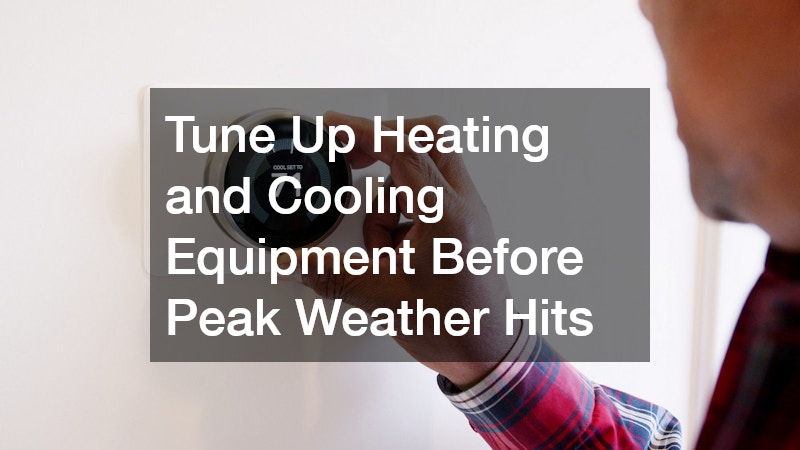
Indoor climate control accounts for the largest portion of a residential energy budget. Beyond utility costs, your heating and cooling equipment directly affects indoor air quality, humidity control, and overall living comfort. Because these systems contain moving parts, electrical components, and fluid lines, they require routine maintenance to run reliably under heavy seasonal loads.
Waiting until the hottest afternoon of the summer or the coldest night of the winter to test your mechanical systems invites failure. When weather extremes hit, service companies face overwhelming demand, leaving unprepared homeowners waiting days for service. Proactive seasonal preparation keeps your equipment operating at peak efficiency when you need it most.
- Change air filters on a schedule: Replace standard furnace and return filters every one to three months depending on pet ownership, household size, and local air quality. Clogged filters restrict airflow, forcing blowers to work harder and increasing energy usage.
- Keep outdoor units clear: Maintain a two-foot perimeter around exterior condenser units by clearing away weeds, leaves, grass clippings, and garden storage.
- Inspect condensate drain lines: Verify that the drain line exiting your cooling coil flows freely. Algae and sediment can clog these lines, causing water to back up into your home and damage surrounding floors or ceilings.
- Calibrate your thermostat: Test your system controls before peak season arrives to ensure cycle times are normal and temperature readings match actual ambient room conditions.
While basic filter changes and perimeter clearing fall within standard home care, complex mechanical maintenance requires specialized tools and expertise. Establishing an ongoing partnership with dedicated ac companies ensures that your system receives thorough technical care before heavy usage periods begin. Professional technicians can identify failing capacitors, check fan motor amperage, and clean dirty evaporator coils before these minor issues cause system lockouts.
Complete performance checks go far beyond simple visual inspections. Scheduling comprehensive HVAC services prior to major seasonal shifts allows professionals to test refrigerant charges, inspect heat exchangers for dangerous cracks, clear internal drainage pans, and balance airflow across different zones of your home. This level of structured attention prevents unexpected equipment failures, extends the operational life of expensive machinery, and maintains healthy indoor air quality year-round.
Audit Circuit Panels and Upgrades to Prevent Sudden Power Outages
Modern households place significantly higher demands on electrical systems than homes built just a few decades ago. High-wattage kitchen appliances, entertainment setups, electric vehicle chargers, and home office equipment pull continuous power through lines designed for lighter loads. Ensuring your electrical infrastructure remains safe, stable, and capable of handling these loads requires ongoing attention.
Electrical hazards rarely announce themselves with obvious physical breaks; instead, they build quietly inside wall cavities, junction boxes, and main distribution panels. Thermal stress from overloaded circuits can slowly degrade wire insulation, leading to loose connections, tripped breakers, or serious safety risks. Recognizing early warning signs helps you take corrective action before a minor glitch becomes a complete power failure.
- Monitor panel behavior: Listen for subtle buzzing or humming sounds coming from your breaker box, and feel the panel cover occasionally to ensure it remains cool to the touch.
- Watch for physical red flags: Discolored wall outlets, switches that feel warm, or lights that flicker when heavy appliances kick on indicate that a circuit is struggling under its current load.
- Avoid overusing extension cords: Relying permanently on power strips and extension cords signals that your space lacks adequate outlet distribution, which can easily overload individual branch circuits.
- Test safety devices monthly: Press the test buttons on your ground-fault circuit interrupter outlets and arc-fault breakers to verify that their internal safety mechanisms trip and reset correctly.
When you notice warning signs or plan to add heavy electrical loads to your home, professional intervention is mandatory. Arranging for a timely electrical repair when breakers trip repeatedly or outlets show signs of wear prevents further strain on your home’s wiring matrix.
Because high-voltage systems pose real safety hazards, complex wiring work, panel upgrades, and whole-home surge protection installations should always be handled by a qualified residential electrician. A trained professional can perform a thermal inspection of your main panel, evaluate neutral bar connections, calculate total household load balances, and ensure every circuit meets current regional safety codes. Upgrading your electrical distribution network protects sensitive electronic devices from voltage fluctuations and gives you total peace of mind.
Clear Slow Drain Lines and Monitor Pipe Integrity to Prevent Hidden Leaks

Plumbing systems operate mostly hidden behind walls, under subfloors, and beneath foundation slabs. Because water can cause rapid structural rot and mold growth, even a slow leak or recurring drain restriction can cause expensive damage before it becomes visible in living spaces. Managing your home’s plumbing requires a dual approach: preserving water flow through drain lines and monitoring supply lines for pressure imbalances.
Drain lines accumulate organic buildup, soap scum, grease, and hair over time. As these deposits harden along pipe walls, water movement slows, creating backpressure and increasing the likelihood of complete blockages. Many homeowners rely on harsh liquid chemical drain cleaners to dissolve clogs, but these corrosive formulas can eat through metal fittings, soften PVC connections, and damage main lines without permanently resolving the obstruction.
- Practice smart drain habits: Place fine mesh strainers over sink and shower drains to catch hair and food scraps. Never pour cooking fats, oils, or solid coffee grounds down kitchen sinks.
- Flush drains with hot water: Run hot water down kitchen drains periodically to help clear soft grease accumulation before it hardens along pipe walls.
- Exercise shutoff valves: Turn individual supply valves under sinks, toilets, and water heaters twice a year to prevent them from seizing in an open position during an emergency.
- Monitor main line performance: If multiple fixtures across your home drain slowly at the same time, the issue likely resides in your main sewer lateral rather than an individual sink trap.
Addressing recurring slow drains before they turn into complete sewage backups requires professional equipment. Scheduling a professional drain cleaning service allows technicians to clear stubborn grease scale, break up invasive tree roots, and restore full flow to your main waste lines using specialized mechanical augers or high-pressure hydro-jetting systems.
Establishing a relationship with a reliable local plumber ensures you have a trusted expert ready when major maintenance or emergency pipe issues arise. A professional plumber can check incoming main line water pressure—ensuring it stays below damaging levels—inspect exposed supply lines for pinhole corrosion, evaluate water heater expansion tanks, and use video cameras to inspect hard-to-reach main lines. Managing your plumbing system proactively protects subfloors, keeps water moving smoothly, and prevents costly emergency repairs.
Maintain Major Household Appliances and Plan System Upgrades Strategically

The appliances and structural finishes within your home represent major financial investments. Refrigerators, washing machines, dishwashers, and water heaters work constantly to maintain daily routines, but their mechanical components wear down over time. Combining routine appliance maintenance with organized long-term home improvement planning helps you avoid simultaneous system failures and keeps your household operating smoothly.
Household appliances often fail prematurely simply because routine care gets overlooked. A small amount of preventive maintenance reduces mechanical friction, lowers energy consumption, and extends the working life of heavy machinery.
- Clean refrigerator condenser coils: Dust and pet hair blanket refrigerator coils, preventing heat dissipation and forcing the compressor to run continuously. Vacuum these coils twice a year.
- Inspect washing machine hoses: Replace rubber water supply hoses with braided stainless steel lines, and check fittings regularly for cracks, bulges, or moisture.
- Flush the water heater annually: Drain several gallons of water from the bottom of your water heater tank each year to flush out mineral sediment that reduces heating efficiency and accelerates tank corrosion.
- Clean dryer ventilation pathways: Remove lint from the entire length of your dryer exhaust duct, not just the removable lint trap, to prevent fire risks and improve drying performance.
When major mechanical units begin showing erratic behavior—such as unexpected noises, irregular cycle times, or minor leaks—seeking professional diagnostic support early can add years of reliable service. Utilizing qualified appliance repair services allows you to resolve failing pumps, worn drive belts, or faulty control boards before a minor component breakdown destroys the entire machine.
For larger home projects involving structural modifications, exterior re-siding, or whole-house updates, strategic planning is essential. Working with experienced home improvement contractors ensures that major renovations are properly sequenced, correctly permitted, and integrated smoothly with existing electrical, plumbing, and framing structures. Planning major projects in advance prevents budget overruns, protects structural integrity, and ensures that every upgrade enhances your home’s comfort and long-term value.
Managing a home through proactive structure and system upkeep turns homeownership from a series of unpredictable expenses into an organized, rewarding routine. When you regularly inspect your roof line, audit your thermal envelope, tune up heating and cooling systems, verify electrical capacity, maintain clear drainage, and care for major machinery, you remove the element of surprise from home maintenance.
Your home functions best as a complete system, where every component relies on the stability of the others. Protecting structural materials from water intrusion keeps electrical lines safe, just as maintaining efficient climate control reduces wear on structural framing and interior finishes. By committing to a consistent seasonal checklist and working with qualified service professionals before emergencies strike, you safeguard your financial investment, preserve your building’s equity, and ensure your home remains a safe, efficient, and comfortable sanctuary for years to come. Pick one small task this weekend—whether checking water pressure, clearing a drain line, or replacing HVAC filters—and begin building a routine that protects your home from the inside out.