As the seasons change and the crisp chill of autumn gives way to the biting cold of winter, homeowners often find themselves in a relentless battle against the elements. Creating a cozy, comfortable living space goes far beyond simply walking over to your thermostat and pushing a button to blast hot air into your rooms. True thermal efficiency is a holistic endeavor. It requires a deep understanding of how your home breathes, where it loses energy, and how its various systems work in tandem to keep the cold out. Poor maintenance leads to significant energy loss. When a house is not properly winterized, it struggles to maintain consistent temperatures, resulting in drafty hallways, freezing bedrooms, and sky-high utility bills that can strain any household budget during the coldest months of the year. Consider making a thorough, top-to-bottom checklist for winterizing your house. By optimizing your energy consumption and addressing both the minor gaps and major mechanical needs of your property, you can create a consistently cozy environment. This guide will walk you through the essential steps needed to achieve lasting comfort all season.
Seal the Thermal Envelope from the Top Down
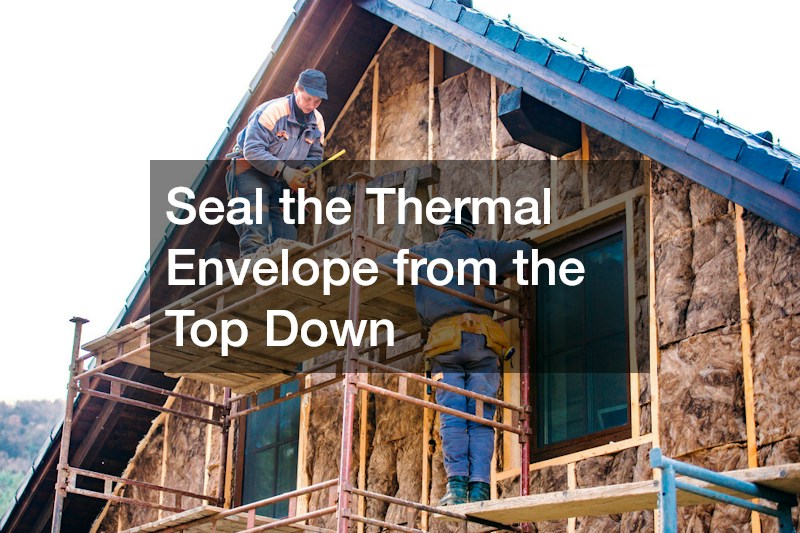
When it comes to maintaining a warm interior, your home’s thermal envelope is your first and most important line of defense. Because heat naturally rises, the highest points of your house are the most vulnerable to energy loss.
- Inspect Attic Insulation and Ventilation Setup: Your attic plays a massive role in regulating the temperature of the living spaces below. First, you must evaluate the state of your attic insulation. Fiberglass batts, blown-in cellulose, or spray foam must meet the recommended R-value for your specific local climate. The R-value measures the material’s thermal resistance; the higher the number, the better it prevents heat transfer. If your insulation is compressed, water-damaged, or thinly spread, it is time to add another layer. Sealing your attic is only half the equation. You must also ensure your attic ventilation is functioning correctly. It seems counterintuitive to allow cold outside air into your attic during winter, but proper airflow is crucial. Without adequate ventilation, the heat escaping from your living quarters will melt snow on the roof. This runoff then freezes at the eaves, creating destructive ice dams. Furthermore, trapped warm air holds moisture, which can lead to mold growth and wood rot in your rafters.
- Address Missing Shingles and Structural Leaks Promptly: While focusing on the inside of the attic, you must not neglect the exterior surface of your roof. Conducting a thorough pre-winter inspection is non-negotiable. You can begin safely from the ground using a pair of binoculars to scan the surface for curling, cracking, or entirely missing materials. Look closely around flashing near chimneys and vents, as these are common failure points. If you spot anomalies, hire a professional roof contractor to perform a more detailed assessment and walk the surface safely. Ignoring minor exterior damage is a massive mistake. What starts as a small gap can allow freezing water to penetrate your sheathing, expand, and tear open larger holes. This leads to severe interior drafts and moisture intrusion. Making immediate roof repair a top priority is essential for overall thermal retention and protecting the structural integrity of your house before heavy snow.
Optimize Your Primary Temperature Control Systems

Once the exterior envelope is secure, you need to turn your attention inward to the equipment responsible for generating and distributing warm air. Keeping your primary climate control systems in peak condition ensures optimal airflow, reduces strain on the equipment, and maximizes energy efficiency.
- Replace Air Filters and Calibrate Smart Thermostats: Replacing air filters is a simple yet frequently neglected task. Whether you use standard fiberglass filters or high-efficiency pleated varieties, they need to be swapped out regularly. A good rule of thumb is to change them every thirty to ninety days, depending on the thickness of the filter, the presence of pets in the home, and overall indoor air quality. A clogged filter restricts airflow, forcing the system to work twice as hard to distribute air, which drives up energy consumption and accelerates mechanical wear. Next, calibrate your smart thermostats. A smart thermostat is only as effective as the schedule you input. Set up zoned schedules that automatically lower the temperature by a few degrees during your sleeping hours and peak away times, such as when the family is at work or school. Allowing the house to cool slightly when unoccupied saves a tremendous amount of energy, and the system can return to a comfortable temperature right before you wake up.
- Schedule Comprehensive Seasonal Maintenance: While changing filters is a great do-it-yourself task, your system requires deeper attention. Bringing in a licensed technician for routine HVAC services is the best way to ensure the internal components are clean and functioning safely. During a seasonal tune-up, the technician will clean the blower motor, inspect the flame sensor, check for carbon monoxide leaks, and lubricate all moving parts to reduce friction. The cost-to-benefit ratio of proactive system tune-ups cannot be overstated. Paying a modest fee in the autumn for a thorough inspection prevents catastrophic, emergency breakdowns in the dead of winter. When your household relies heavily on central heating to survive freezing temperatures, preventative care is the ultimate safeguard for your comfort, safety, and budget.
Fine-Tune Heavy-Duty Winter Equipment
Many homes rely on heavy-duty internal machinery to combat severe cold. These complex systems require specific, targeted upkeep to operate safely and efficiently throughout the season. Paying attention to their mechanical nuances can save you from freezing nights and exorbitant bills.
- Listen for Unusual Noises and Check Cycle Times: Your mechanical systems will often tell you when they are struggling before they fail completely. Listen closely to the sounds during a normal cycle. Keep an ear out for warning signs like rattling, squealing, or grinding. A rattling noise might indicate loose panels, while a high-pitched squeal often points to a failing blower belt or motor bearing. Additionally, monitor the system’s cycle times. If the unit is turning on and off too rapidly—a phenomenon known as short-cycling—it indicates an underlying problem. This could be caused by an overheating heat exchanger, a malfunctioning thermostat, or severely restricted airflow. When these symptoms move past basic troubleshooting, they require immediate professional furnace repairs to prevent complete system failure and ensure the unit is not a severe fire hazard.
- Bleed Radiators and Check Pressure Valves: If your home utilizes a hydronic system rather than forced air, your maintenance routine will look slightly different. Over the spring and summer months, air can become trapped inside the radiator lines. This trapped air acts as a barrier, preventing hot water from circulating effectively and resulting in radiators that are cold at the top and warm at the bottom. To fix this, you must bleed the radiators. Using a specialized radiator key, slowly turn the valve at the top of the unit until you hear a soft hissing sound, which is the trapped air escaping. Once water begins to steadily drip from the valve, close it tightly. Beyond bleeding the lines, you must also check the water pressure and temperature gauges on the main central unit. Maintaining proper water levels and pressure is critical to extending the lifespan of the equipment. Neglecting these readings can lead to significant internal corrosion, scaling, and ultimately, costly boiler repairs that could have easily been avoided with routine monitoring.
Eliminate Hidden Drafts and Protect Vital Infrastructure

Even with a perfectly insulated roof and a highly efficient climate control system, your home can still feel uncomfortably chilly if you ignore hidden drafts and vulnerable utility spaces. These neglected zones aggressively siphon warmth away from living areas and put vital home infrastructure at risk of freezing.
- Weatherstrip Large Utility Openings: Homeowners often spend hours caulking windows and doors while completely ignoring the largest opening in their house: the garage. Attached garages are notorious for draining thermal energy from adjacent interior rooms. To combat this, you need to apply heavy-duty bottom seals to the main door to prevent frigid winds from blowing across the concrete floor. Additionally, install side weatherstripping along the tracks to seal the gaps between the door and the frame. If your door is old, uninsulated, or damaged, sealing it might not be enough. In these cases, hiring professional garage door services to fix track alignment, replace worn springs, and install heavy-duty insulated panels is highly recommended. Upgrading this massive entryway can dramatically reduce heat loss, effectively raising the ambient temperature of adjacent interior rooms and bonus rooms situated above the space by several degrees.
- Insulate Exposed Pipes in Unheated Zones: Another critical aspect of winterizing utility spaces is protecting your plumbing infrastructure. Pipes running through basements, crawlspaces, exterior walls, and unheated outbuildings are incredibly susceptible to freezing temperatures. When the water inside these pipes freezes, it expands, causing the copper or PVC to burst. To prevent this, you must insulate all exposed pipes. You can easily do this by purchasing pre-slit foam sleeves or fiberglass pipe wrap from a local hardware store. Cut the sleeves to length, wrap them around the pipes, and secure them firmly with heavy-duty tape or zip ties. Pay special attention to joints and elbows, as these are highly vulnerable areas. Mitigating freezing risks not only helps retain hot water temperatures as it travels from the water heater to your faucets, but it also prevents catastrophic water damage. A burst pipe in the middle of the night will flood your home and require an incredibly expensive, emergency plumbing service to rectify the disaster.
Maximize Alternative Fuel and Radiant Sources

Many homeowners rely on secondary and alternative systems to provide supplementary warmth, reduce their reliance on the electrical grid, and create a cozy, inviting ambiance during the winter. Maximizing the efficiency and safety of these sources is just as important as maintaining your primary systems.
- Secure and Stabilize Your Winter Fuel Supply: If you use delivered fuel, secure your supply before the first snowstorm. Demand skyrockets during extreme cold snaps, and delivery trucks can be delayed by icy roads and hazardous conditions. Setting up an automatic delivery schedule based on your historical usage is the best way to ensure you never run empty during a blizzard. If you prefer to manage it yourself, monitor your tank gauges meticulously and order a refill when it drops to a quarter full. Furthermore, it is crucial to inspect your storage tank for signs of degradation. Look closely for sludge buildup, exterior rust, or line blockages, especially if your home relies on heating oil for its winter warmth. A compromised tank or a clogged fuel line will shut down your entire system, regardless of how full the tank is.
- Inspect Flues, Dampers, and Masonry for Safe Operation: For those who enjoy the radiant heat of a wood-burning or gas unit, routine maintenance is absolutely vital for both performance and safety. Before striking that first match, ensure the damper opens and closes smoothly. A stuck damper will either send smoke billowing into your living room or act as an open window, sucking warm air out of the house when the fire is unlit. You must also ensure that the firebox and flue are free of hazardous creosote buildup, which is a highly flammable byproduct of burning wood. To guarantee both maximum radiant output and absolute safety against indoor air pollution and chimney fires, it is highly recommended to source inspections and routine sweeps from certified local fireplace companies. These professionals have the specialized tools and cameras required to identify hidden structural cracks in the masonry and clear dangerous blockages, allowing you to enjoy your fires safely all season long.
Achieving and maintaining true winter comfort is not a matter of luck, nor is it about continuously bumping up the thermostat and hoping for the best. It is a calculated mix of sealing the perimeter of your property, meticulously maintaining your mechanical equipment, and taking proactive steps to minimize hidden drafts. By viewing your house as an interconnected ecosystem, you can address the weak points before they compromise your comfort.
The long-term benefits of this checklist go beyond feeling cozy. Taking these actionable steps will drastically lower your monthly utility costs, extend the lifespan of your expensive home machinery, and significantly reduce your overall carbon footprint by eliminating wasted energy.
Before the deepest freeze of the season inevitably sets in, take the time to tackle one or two manageable tasks from this guide this weekend. Every small improvement builds a stronger defense against the cold, ensuring your living space remains a welcoming sanctuary all winter long.


