The concept of a garden as a sanctuary is a cornerstone of modern home design. We look to our outdoor spaces to provide a reprieve from the digital noise and fast-paced demands of daily life. However, it is difficult to find mental clarity when the physical environment is cluttered with tangled hoses, rusted hand tools, and overflowing bags of potting soil. A garden that lacks a cohesive organizational strategy quickly transitions from a place of rest to a source of visual and physical stress.
The path to a peaceful outdoor living area begins with the implementation of smart storage solutions and functional design. By treating your yard with the same organizational rigor you apply to your kitchen or home office, you can eliminate the friction of maintenance. When every item has a dedicated home, the act of gardening becomes a fluid, meditative process rather than a frustrating search for supplies.
Clearing the Path for Functional Design

The most significant hurdle to a comfortable garden is the accumulation of unnecessary items. Over time, backyards tend to become a catch-all for broken patio furniture, leftover construction materials, and garden waste that we intend to deal with later. This clutter creep slowly erodes the usable square footage of your property and creates a heavy visual weight. To begin your upgrade, you must be honest about what items serve your current lifestyle and what items are simply taking up space.
For those undertaking a massive overhaul, the logistics of debris removal can be overwhelming. Instead of making dozens of trips to a local landfill, many homeowners find it more efficient to rent a roll off container. Having a high-capacity vessel on the property for a few days encourages a deep purge, allowing you to dispose of old timber, cracked plastic pots, and larger debris that would otherwise sit in a corner for another season.
Beyond simply tossing away broken items, this stage is the perfect time to evaluate the flow of your landscape. Removing dense piles of brush or unwanted stone structures opens up sightlines and makes the entire property feel more expansive. By reclaiming these lost corners, you create room for more intentional design elements, such as a dedicated potting station or a quiet seating area, that were previously buried under the mess.
Once the physical clutter is removed, you can focus on the health of the ground itself to ensure the transition between your storage zones and relaxation areas is seamless. Soil compaction is a common issue that makes a yard look tired and prevents grass from flourishing. Investing in professional aeration will allow oxygen, water, and nutrients to reach the roots of your lawn, resulting in a plush green carpet that complements your newly organized surroundings.
Investing in Long-Term Storage Structures
Once the canvas is clear, the next step is to establish permanent housing for your tools and equipment. The goal is to move high-utility but low-aesthetic items out of the direct line of sight. While plastic bins can work for small accessories, larger equipment like lawnmowers, blowers, and wheelbarrows requires more robust solutions. A well-designed structure not only protects your investment in tools but also adds value and character to the property.
If you have specific spatial requirements or want a structure that matches the architectural style of your home, hiring professional garden shed builders is the most effective route. These experts can create a customized interior layout with vertical shelving and heavy-duty hooks, ensuring that your floor space remains open and easy to clean. A custom shed can even be divided into work and storage zones to keep your projects organized.
Beyond the internal layout, a professionally constructed unit allows for the integration of specialized features like potting benches or built-in cabinetry that standard store-bought models lack. This level of customization means you can tailor the height of every shelf and the placement of every door to suit your physical needs, reducing the strain on your back and joints. When the structure is built to work with your body, the physical stress of maintaining the garden is significantly diminished.
The area immediately surrounding your storage building should be as durable as the structure itself. To prevent the perimeter from becoming a muddy mess during the rainy season, you should install a border of landscape stone. This provides a clean, dry surface to stand on while you reach for tools and acts as a natural barrier that prevents moisture and pests from congregating against the base of your building.
- Verticality: Use pegboards and magnetic strips inside your shed to keep small tools at eye level.
- Accessibility: Store your most-used items, such as watering cans and gloves, near the door.
- Climate Control: Ensure your storage area is well-ventilated to prevent tool rust and wood rot.
Sourcing and Managing Bulk Materials
Maintaining a beautiful garden requires a steady stream of supplies, from soil amendments to fresh plantings. The stress often arises during the transition period when these materials arrive at your home. If you don’t have a plan for where bulk items will sit, they end up blocking walkways or killing the grass. Smart storage extends to how you handle these incoming deliveries and where you keep your raw materials for the season.
Purchasing supplies in small bags is often expensive and generates a significant amount of plastic waste. For larger garden beds, ordering a mulch delivery is a much more sustainable and organized approach. You can designate a specific, out-of-the-way corner of your yard for the drop-off, allowing you to distribute the material at your own pace without cluttering your driveway or main garden paths.
Effective management also involves having the right vessels for staging these materials before they are integrated into the soil. Utilizing heavy-duty bins or hidden bays ensures that your supplies remain dry and contained, preventing runoff during heavy rains. This level of preparation turns a messy logistics task into a streamlined part of your routine, keeping the visual landscape tidy even during peak planting weeks.
For smaller, more specialized needs, a well-organized trip to the garden center can provide the finishing touches for your storage project. These locations are excellent for finding weather-resistant bins and decorative crates that can be used to hide smaller items like birdseed or irrigation parts. Shopping with a specific list of storage needs ensures that you only bring home items that have a predefined place in your new organizational system.
- Labeling: Use waterproof labels for bins containing different types of fertilizers or seeds.
- Stacking: Invest in uniform, stackable containers to maximize the footprint of your storage shelves.
- Rotation: Keep older supplies in the front to ensure you use them before they expire or degrade.
Creating Intentional Transitions and Safety
A garden is only comfortable if you can move through it without thinking. When the path to your storage shed or potting bench is uneven or poorly lit, the simple task of putting away a shovel becomes a chore. Hardscaping and lighting are the two most powerful tools for defining the flow of your yard, ensuring that your work zones and relaxation zones remain distinct yet connected.
The use of patio stones is a classic way to create a stable walkway between your home and your storage areas. These stones provide a firm, level surface that makes it much easier to move heavy wheelbarrows or rolling carts filled with supplies. By creating a physical path, you are also visually signaling the organization of the yard, leading the eye toward the intentional design rather than the functional utility areas.
Beyond mere utility, these transitional elements act as the “hallways” of your outdoor home, providing a psychological sense of order. When you step onto a solid, well-laid path, your mind shifts from the labor of navigation to the enjoyment of the environment. This intentionality reduces the fatigue associated with garden maintenance, as you no longer have to worry about tripping over hidden roots or sinking into soft patches of grass while carrying heavy loads.
Lighting is equally important for a stress-free experience, particularly if you enjoy gardening in the cooler hours of the early morning or late evening. Strategically placed landscape lighting can illuminate your paths and the entrance to your storage units, preventing trips and falls. Soft, warm lights can also highlight your favorite trees or architectural features, ensuring that the garden feels like a cozy extension of your home even after dark.
Maintaining the Health of Your Outdoor Systems
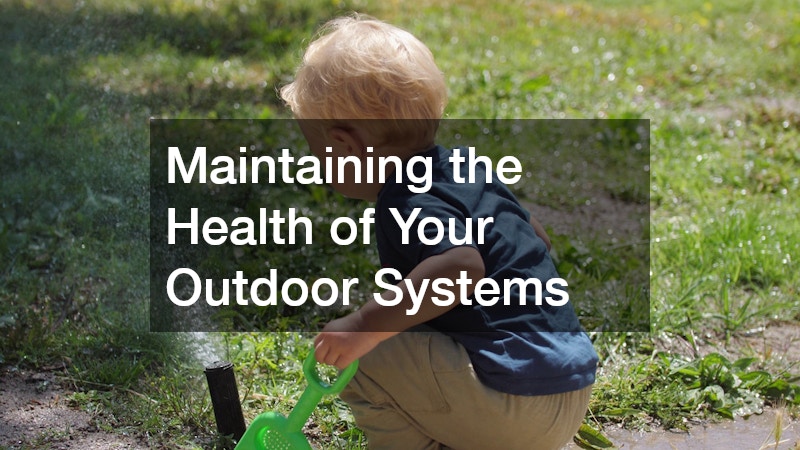
Organization is a continuous process that requires the various systems of your garden to be in good working order. If your plants are dying or your trees are overgrown, no amount of clever shelving will make the space feel peaceful. True comfort comes from the confidence that your garden is thriving and that your maintenance systems are functioning behind the scenes without constant intervention.
The vertical space in your garden significantly impacts the feeling of openness and order. Overhanging branches can block light from your garden beds or even scrape against the roof of your storage buildings. Regular tree pruning is necessary to maintain a tidy appearance and to protect your structures from damage during high winds. A well-trimmed canopy creates a sense of ceiling height in your outdoor room, making the space feel more expansive.
Beyond the aesthetics of the canopy, proactive structural care prevents the garden from feeling like a mounting list of repairs. When you keep your foliage in check, you reduce the amount of organic debris that clogs gutters and settles into the crevices of your storage units. This preventative approach ensures that your organization remains intact, as you won’t be constantly fighting back the encroachment of nature against your functional zones.
Finally, the most critical hidden system in any landscape is the irrigation. If you notice dry patches or water pooling near your storage foundations, it is likely time for a sprinkler system repair. Addressing these issues early prevents the stress of a dying landscape and ensures that your water usage remains efficient. A functional irrigation system allows you to focus on the creative aspects of gardening rather than the manual labor of dragging hoses across the yard.
- Routine Checks: Inspect your irrigation heads once a month for clogs or misdirected spray.
- Seasonal Trimming: Prune flowering shrubs after they bloom to encourage healthy growth for the next year.
- Tool Care: Clean and oil your hand tools before placing them back in their designated storage spots.
The Psychological Impact of an Organized Garden
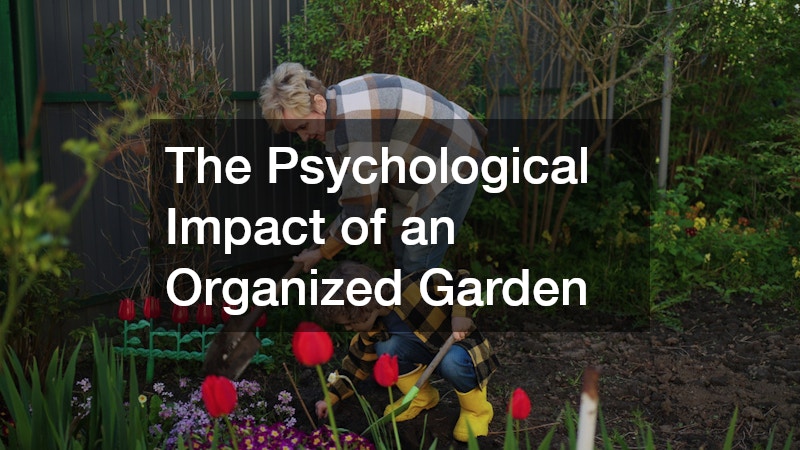
The relationship between our environment and our mental state is well-documented. A cluttered yard often mirrors a cluttered mind, leading to a sense of “to-do” lists that never end. When you look out your window and see a clean lawn, a beautiful shed, and clear paths, your brain receives a signal that everything is under control. This sense of order allows you to fully engage with the present moment, whether you are hosting a dinner party or simply enjoying a quiet cup of coffee.
By implementing these storage solutions, you are essentially “future-proofing” your relaxation. You are removing the barriers that make gardening feel like work. Instead of spending twenty minutes untangling a hose or searching for a hand trowel, you can get straight to the parts of gardening that bring you joy. This efficiency is the ultimate upgrade in comfort, as it buys you back the most valuable resource of all: time.
Building a stress-free garden is an investment in your personal well-being. It requires a shift in perspective from seeing the yard as a collection of chores to seeing it as a carefully managed ecosystem of comfort and utility. Through the thoughtful placement of structures, the clearing of unnecessary waste, and the maintenance of essential systems, you can create a landscape that feels both professional and personal.
The transformation does not have to happen overnight. Start with a thorough cleanup, then gradually add the storage features and hardscaping that best fit your lifestyle. As the clutter disappears and the organization takes hold, you will find that your garden becomes more than just a patch of land. It becomes a true extension of your home, offering a level of peace and functional beauty that enhances every day you spend outside. This is the essence of a comfort upgrade: making the spaces we inhabit work for us, so we can finally find the space to breathe.